


legal high
China proceeds legislation against cross-border corruption, closing legal gap in overseas probe, fugitive hunt and asset recovery: expert_我的网站

一 |
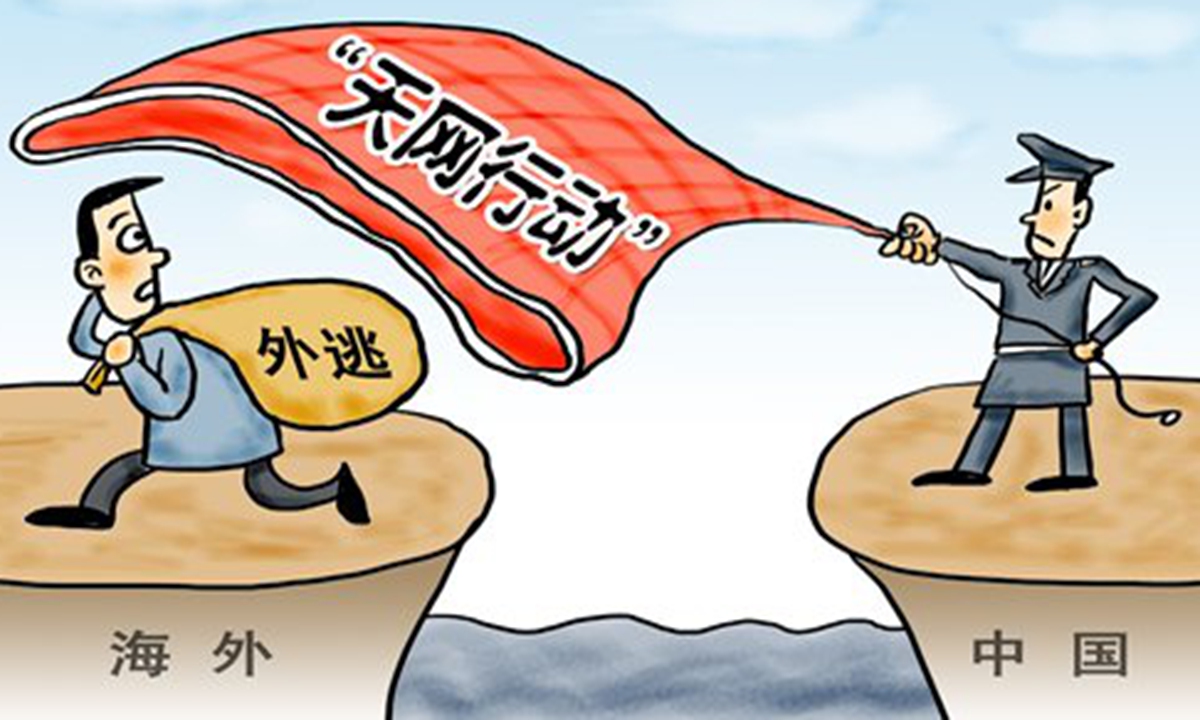
Chinese lawmakers began reviewing a draft law on combating cross-border corruption on Tuesday, a legislation which experts believe would help close legal gaps in investigating overseas corruption, pursuing fugitives and recovering illicit assets, while strengthening international cooperation and corporate compliance.
The draft was submitted for its first reading to the ongoing session of the Standing Committee of the National People's Congress, the country's top legislature, per Xinhua News Agency.
Huo Zhengxin, a professor at the China University of Political Science and Law, told the Global Times that the draft law represents a dedicated piece of legislation within China's anti-corruption legal framework and a major step forward in the country's law-based governance of foreign-related affairs. It will fill a legislative gap in combating cross-border corruption, Huo said.
As Chinese companies expand business overseas, cross-border corruption cases face challenges in obtaining evidence abroad, pursuing fugitives and recovering illicit assets. Existing anti-corruption laws have faced limitations in addressing such cases involving foreign affairs, making such dedicated legislation necessary, Huo said.
Structured into six chapters and 47 articles, the draft sets out the principles, scope and key provisions underpinning China's efforts to combat cross-border corruption. It also defines relevant operational mechanisms and institutional responsibilities, and seeks to strengthen case handling and international cooperation.
The draft further clarifies enterprises' obligations regarding integrity and compliance, and specifies legal liabilities for violations.
As one of the experts involved in drafting the legislation, Huo said a key innovation of the draft is to strengthen international cooperation and corporate integrity and compliance obligations. As evidence, suspects and illicit assets in cross-border corruption cases are often located overseas, the draft provides mechanisms including extradition, mutual legal assistance and repatriation, while aligning with relevant rules under the UN Convention against Corruption (UNCAC), said the expert.
The draft also makes clear that Chinese companies operating overseas, including both state-owned and private enterprises, have legal obligations to uphold integrity and compliance with domestic laws, Huo said.
The legislation would also codify practices accumulated through China's past campaigns against cross-border corruption, such as Sky Net and Fox Hunt operations, turning them into a more systematic legal framework and strengthening the law's deterrent effect, according to Huo.
The draft law is a practical step to regulate the development of cross-border businesses and help build a world-class business environment aligned with market principles, the rule of law and international standards, Xinhua noted.
It is also expected to expand the legal tools available to combat cross-border corruption and help address challenges in detecting corruption, collecting evidence, recovering illicit assets and securing convictions, according to the report.
In January, CCTV News reported on the case of a former senior executive of China National Offshore Oil Corporation, who was accused of accepting large amounts of bribes that were concealed overseas, with a businessman allegedly acting as a "front" to collect the illicit payments.
The draft's explicit corporate integrity and compliance requirements would make it harder for individuals to disguise bribery and other corrupt practices through overseas projects in an attempt to circumvent domestic oversight, while further clarifying the extraterritorial reach of China's anti-corruption laws, Huo said.
The draft also contains provisions to counter the use of foreign countries' domestic anti-corruption laws to exercise "long-arm jurisdiction" over Chinese companies, which Huo described as another important innovation in China's foreign-related legal framework.
China has been deepening its efforts in international anti-corruption cooperation, with 963 corrupt fugitives repatriated to the country in 2025, according to a work report from the country's top anti-graft body, Xinhua reported.
。 日报讯(记者赵泽众)8月19日,是第九个中国医师节。当天,省政府新闻办召开省卫生健康系统先进典型代表记者见面会,集中宣传展示全省卫生健康系统一线先进典型风采。

二 | 医科大学第四医院中西医结合肿瘤科负责人、主任医师霍炳杰,秦皇岛市第一医院护理部主任、主任护师陈晓敏,邢台市清河县中心医院老年病科主任、主任医师顾翠英,保定市定兴县贤寓中心卫生院副院长、主任中医师宋海涛4位来自全省卫生健康系统一线的先进典型代表与媒体面对面交流,分享从医感悟与奋斗故事。“作为一名扎根乡村二十八年的基层医生,我和同事们把诊疗服务送到田间地头、百姓炕边,让乡亲们在家门口就能看得上病、看得好病。”宋海涛说,他们依托国医堂特色优势,发展中西医融合诊疗,让优质医疗扎根乡村。

三 | 作为青年岐黄学者,霍炳杰分享了他与团队将传统中医智慧和现代医学优势相互融合,用中医药服务惠及患者的故事。“健康所系、性命相托,是医学生入学的誓言,更是我一生要践行的信念。

四 | ”霍炳杰说,要把前沿的医学科技成果融入临床一线实践中,更好地服务患者。陈晓敏从事护理工作32年,一手精进专业技术、一手深耕人文服务,全方位提升护理服务质量与水平。2025年荣获人力资源和社会保障部、国家卫生健康委等4部门颁发的“白求恩奖章”。顾翠英在自身发展的同时,还带领团队帮扶多家乡镇卫生院。“我们把老年病科打造成县级基层养老护理人才定点实训基地,这几年累计培训60多名专业护理员。”顾翠英说,“农村老人在家门口就能安心养老,看到这些变化,我们打心眼里觉得值。”省卫生健康委员会相关负责人介绍,全省广大医务工作者始终牢记“敬佑生命、救死扶伤、甘于奉献、大爱无疆”的职业精神,坚守医者初心、践行健康使命,全力守护人民群众生命安全和身体健康。下一步,省卫生健康委将持续深化典型选树宣传工作,持续放大榜样示范引领作用,聚焦基层一线、聚焦民生服务、聚焦日常实干,发掘更多接地气、有温度、可学习的先进典型。

五 | 创新宣传方式、丰富传播载体,传递行业正能量,推动全系统医疗质量更过硬、服务流程更顺畅、就医体验更舒心、基层防线更牢固。
Current article:http://6g8.senchuoshaozaodidia.shop/1jw/soo4.html
Published on:00:30:57